

Every UK landlord needs seven things in place right now: a valid Gas Safety Certificate (CP12), a current EICR, a valid EPC, working smoke and carbon monoxide alarms, a protected deposit, Right to Rent evidence, and, from 1 May 2026, a registered entry on the Private Rented Sector (PRS) Database. The one habit that separates compliant landlords from exposed ones is a timestamped, retrievable digital record proving each duty was met and communicated to the tenant on time.
TL;DR:
- Landlords must update their PRS Database entry whenever a certificate changes to avoid civil penalties of up to 40,000 pounds and potential eviction issues.
- The six core certificates—Gas Safety, EICR, EPC, smoke/CO alarms, deposit protection, and Right to Rent—each have strict renewal deadlines and notification requirements.
- Starting May 2026, landlords need to provide tenants with written information on their rights and obligations, replacing Section 21 no-fault evictions.
- Proper record-keeping of all compliance actions, including proof of delivery and timestamps, is essential for legal protection and avoiding penalties.
- Automated property management systems can significantly reduce compliance risks by tracking certificates, updating database entries, and recording tenant communications securely.
Table of Contents
- Landlord compliance checklist UK: statutory duties at a glance
- What does the Renters' Rights Act mean for landlords from May 2026?
- Gas, electrical and energy certificates: frequencies that actually matter
- What smoke and CO alarm rules apply to rented homes?
- How long do you have to protect a tenant's deposit?
- Do you need an HMO or selective licence for your property?
- What are your repair and health obligations to tenants?
- What records should every landlord keep, and how?
- Landlord inspection checklist: pre-tenancy, mid-tenancy and end-of-tenancy actions
- How does centralised software reduce compliance risk?
- What are the legal requirements for evicting a tenant?
- What insurance should landlords carry?
- How does UK GDPR affect landlord record-keeping?
- How should landlords handle tenant complaints and disputes?
- Compliance as continuous risk management, not a yearly task
- Prop Report: turn your checklist into an automated system
- Sources
Landlord compliance checklist UK: statutory duties at a glance
This table gives you the frequency, the responsible party, and the rough penalty exposure for each core duty. Use it as a per-property audit sheet, working down the list before you advertise, sign, or renew a tenancy.
| Duty | Who's responsible | Frequency | Typical penalty for non-compliance |
|---|---|---|---|
| Gas Safety Certificate (CP12) | Gas Safe registered engineer | Annually | Up to £6,000 and/or six months' imprisonment per property |
| EICR | Qualified electrician | At least every 5 years | £40,000 per breach |
| EPC | Accredited assessor | Before marketing, then per certificate validity | Fines from local authority |
| Smoke/CO alarms | Landlord | Tested at start of tenancy | Fines and possible rent repayment orders |
| Deposit protection | Landlord, via DPS/TDS/mydeposits | Within 30 days of receipt | Up to three times the deposit |
| Right to Rent check | Landlord | Before tenancy starts | Civil penalty per illegal occupier |
| PRS Database registration | Landlord | Ongoing from 1 May 2026 | Civil penalties up to £40,000 |
| HMO/selective licensing | Landlord | Per local scheme terms | Rent repayment orders, unlimited fines |
| Legionella risk assessment | Landlord | Reviewed periodically | Enforcement notice, HSE action |
| Fitness for human habitation | Landlord | Ongoing | Court order, compensation claims |
Every row on this table needs its own PRS Database entry updated whenever a certificate changes, not just at initial registration.
What does the Renters' Rights Act mean for landlords from May 2026?
Section 21 no-fault evictions are gone. From 1 May 2026, every assured tenancy runs as a periodic arrangement, and landlords must provide tenants with written statutory information covering their rights and obligations within set deadlines, according to the official overview of the Renters' Rights Act. Local authorities also gained wider investigative and enforcement powers, which the government itself describes as a shift towards catching rogue landlords faster rather than waiting for tenant complaints.
The practical change that catches most landlords out is the PRS Database. Registration isn't a one-off task. Every time your CP12 renews, your EICR is redone, or you carry out remedial electrical work, you need to update that property's database entry. Skip it and you risk civil penalties of up to £40,000, plus a blocked route to possession and rent increases until the record is put right.
Three things to do this week if you haven't already:
- Confirm your properties are registered on the PRS Database and check membership status with the PRS Ombudsman.
- Draft or source the written tenancy information sheet required under the Act and issue it to every existing tenant.
- Build a simple trigger, even a calendar reminder, that flags a PRS Database update every time a certificate renews.
Gas, electrical and energy certificates: frequencies that actually matter
Three certificates carry the heaviest enforcement weight, and each has its own clock.
Gas Safety Certificate (CP12): a Gas Safe registered engineer must inspect every gas appliance annually. You must give tenants a copy within 28 days of the check, or before they move in for a new tenancy. Miss this and you're looking at fines of up to £6,000 and, in the worst cases, six months' imprisonment per property.
EICR: required at least every five years, sooner if the previous report specifies an earlier date. Any C1 or C2 classification (an immediate or potential danger) needs remedial work within 28 days, or sooner if the electrician flags urgency. Provide the report to tenants and to the local authority if requested.
EPC: you need a valid certificate before you can market or let a property, and the current minimum acceptable rating is E. Proposals to tighten that threshold have circulated for several years, so don't assume E will remain the floor for the life of your tenancy.
- CP12: annual, 28-day tenant notification window.
- EICR: five-yearly, 28-day remedial window for C1/C2 findings.
- EPC: valid before marketing, minimum E rating currently in force.
What smoke and CO alarm rules apply to rented homes?
You must fit a smoke alarm on every storey of the property used as living accommodation, and a carbon monoxide alarm in any room containing a fuel-burning appliance, under the smoke and carbon monoxide alarm regulations. Test every alarm at the start of each new tenancy and keep a dated record of that test.
Blocks of flats and HMOs often need a formal fire risk assessment, usually the responsibility of the freeholder or managing agent for communal areas, though HMO landlords carry direct duties for escape routes and fire doors within the let itself.
- Fit smoke alarms on each storey; test and log at tenancy start.
- Fit CO alarms wherever there's a fuel-burning appliance, including gas boilers and wood burners.
- Check whether your property type (HMO, converted block) triggers a mandatory fire risk assessment.
- Interconnected mains-powered alarm systems reduce maintenance faff and are increasingly the sensible default for multi-occupancy properties.
How long do you have to protect a tenant's deposit?
You have 30 days from receiving the deposit to place it in a government-approved scheme (DPS, TDS or mydeposits) and to serve the scheme's prescribed information to the tenant. Miss either deadline and a court can order you to repay up to three times the deposit as compensation.
Use the scheme's own prescribed information template rather than a custom document. Generic wording frequently omits a required clause, which can invalidate the protection even if the deposit itself sits safely in the scheme.
Right to Rent checks follow a separate but equally strict timeline: verify a prospective tenant's immigration status before the tenancy starts, retain copies of the evidence for the duration of the tenancy plus a set retention period afterwards, and repeat the check before any time-limited permission expires.
- Protect the deposit within 30 days; serve prescribed information within the same window.
- Retain Right to Rent evidence for the statutory retention period after the tenancy ends.
- Re-check tenants with time-limited immigration status before their permission lapses.
- A missed deposit deadline or an incomplete Right to Rent file can block your possession route entirely, regardless of how straightforward the rest of your case is.
Do you need an HMO or selective licence for your property?
Mandatory HMO licensing applies where five or more people from two or more households share a property. Many councils layer additional selective or additional licensing schemes on top, sometimes covering an entire borough regardless of occupancy size.
Check your local authority's website directly, since scheme boundaries and licence fees vary street by street in some areas. Licences typically run for five years and need renewing before expiry, not after.
- Confirm whether mandatory HMO rules apply (5+ occupants, 2+ households).
- Search your council's licensing pages for selective or additional schemes covering your postcode.
- Apply well before your current licence expires. Letting without a required licence risks rent repayment orders and unlimited fines.
What are your repair and health obligations to tenants?
The Housing Health and Safety Rating System (HHSRS) sets the fitness standard councils use to assess hazards, including damp, mould, and structural defects. A property failing this standard can trigger enforcement action regardless of what your tenancy agreement says.
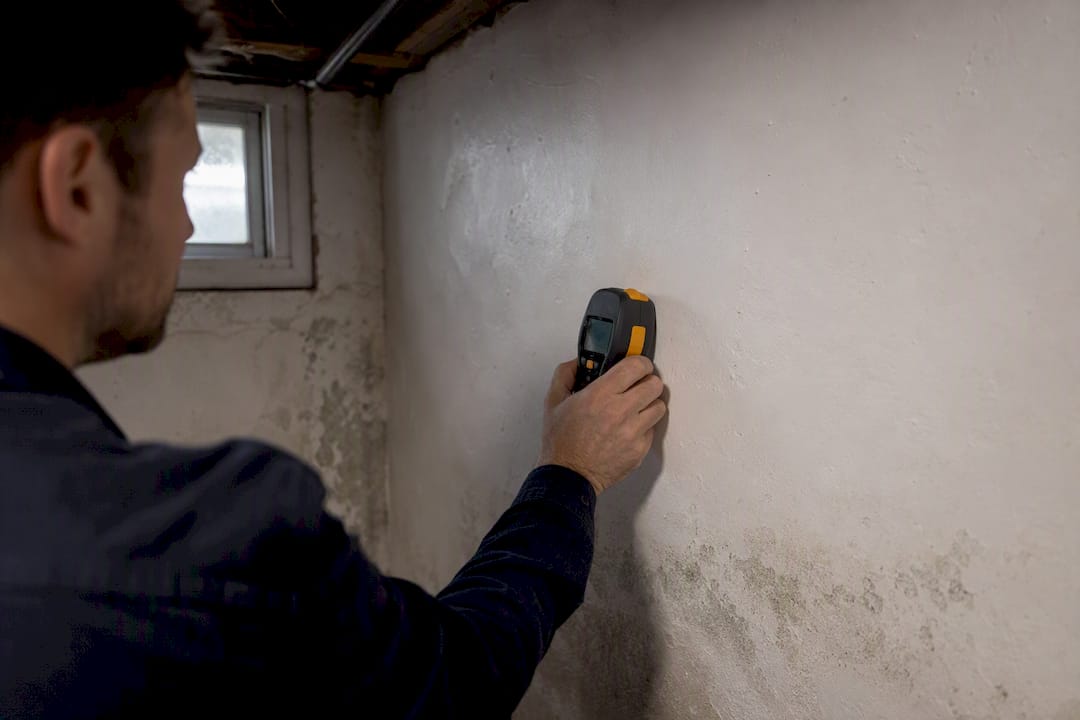
Awaab's Law is reshaping expectations around damp and mould specifically: emergency hazards need investigation and action within days, not weeks, and even non-emergency significant hazards carry tighter response windows than landlords were previously used to.
You also carry a duty to consider Legionella risk in water systems. For most domestic properties this means a proportionate written assessment covering water tanks, pipework, and any low-use outlets, reviewed periodically or whenever the system changes.
- Treat damp, mould, and structural hazards as HHSRS triggers, not cosmetic complaints.
- Respond to emergency repairs within days; document the timeline in writing.
- Complete a basic Legionella risk assessment and review it if the property or its water system changes.
What records should every landlord keep, and how?
A council or tribunal doesn't just want to know you got the certificate. They want to know when the tenant received it.
- Store the core documents together per property: CP12, EICR, EPC, deposit protection certificate, prescribed information, written tenancy statement, Right to Rent evidence, repair logs, and inspection records.
- Name files with a consistent structure: property address, document type, and date, so anything can be located in seconds.
- Retain records for the tenancy's full duration plus a reasonable buffer afterwards, since disputes and rent repayment claims can surface after a tenancy ends.
Pro Tip: Add a "served to tenant" field to every document record, including the date and method, whether that's email, post, or a tenant portal. A certificate without proof of delivery is only half the evidence a tribunal needs.
Landlord inspection checklist: pre-tenancy, mid-tenancy and end-of-tenancy actions
Compliance breaks down most often at handover points, when several duties collide at once. Work through each stage in order.
- Pre-tenancy: confirm any required licence is active, obtain or renew CP12/EICR/EPC, register or update the PRS Database entry, protect the deposit and serve prescribed information within 30 days, complete the Right to Rent check, and produce a signed inventory with photos.
- Mid-tenancy: run scheduled inspections and log findings, test alarms annually and after any battery change, renew certificates before expiry, update the PRS Database whenever a certificate changes, and action repairs within the response windows Awaab's Law expects.
- End-of-tenancy: complete a check-out inventory against the original, process the deposit return within the scheme's timeline with dated evidence for any deductions, and update your records before marketing the property again.
Treat this as a rolling loop rather than a one-off exercise. The properties that pass a council spot-check without drama are usually the ones where mid-tenancy actions never lapsed.
How does centralised software reduce compliance risk?
Manual spreadsheets fail in the same predictable way: a reminder gets missed, a certificate expires quietly, and nobody notices until a tenant complaint or council inspection forces the issue. Centralising every document, reminder, and communication log in one system closes that gap.
Propreport pulls certificate renewal dates, PRS Database updates, and tenant notification records into a single property dashboard, with automated data reporting that flags a lapsing CP12 or EICR before it becomes a breach. Every message sent to a tenant, whether by email, SMS, or WhatsApp, sits in one centralised communication log, which is exactly the "served to tenant" evidence a tribunal wants to see. The platform's ISO 27001 certification also means that evidence trail is held to a recognised data security standard, not an unsecured folder on someone's laptop.
- Set two reminders (CP12, EICR) and watch how far ahead they flag renewal.
- Upload three certificates and test how quickly you can retrieve them for a mock inspection.
- Log one tenant message through the system to see the timestamped record it creates.
What are the legal requirements for evicting a tenant?
Section 21 no longer exists as an eviction route once the Renters' Rights Act provisions apply. Every possession claim now runs through Section 8 grounds, which means you must state a specific, evidenced reason, such as rent arrears, breach of tenancy, or the landlord's intention to sell or move in.
Notice periods vary by ground. Serious rent arrears can carry a shorter notice period than a landlord's intention to sell, so check the ground you're relying on before drafting anything. Get the ground wrong, or fail to provide the evidence a court expects, and your claim gets struck out, costing you months of delay rather than saving time.
This is where your evidence trail earns its keep. A court hearing a rent arrears claim wants a clear, dated payment history. A claim based on breach of tenancy wants documented warnings and repair notices, not a landlord's recollection of events. Possession claims are also blocked outright if your deposit protection lapsed, your PRS Database entry isn't current, or your Right to Rent checks are incomplete, regardless of how strong your underlying ground is.
Serve every notice in writing, keep proof of service (recorded post, email confirmation, or a portal timestamp), and never rely on a verbal warning as your only record of a breach. Courts are unsympathetic to landlords who can't produce paperwork, however reasonable their underlying complaint.
What insurance should landlords carry?
Standard buildings insurance for an owner-occupied home doesn't cover a let property, and using the wrong policy can invalidate a claim exactly when you need it most. You need a specific landlord buildings insurance policy, which typically covers structural damage, and most insurers expect to know the property is tenanted, not owner-occupied.
Contents insurance for any furniture or fittings you own within the property is worth adding if you let furnished, since tenant contents are their own responsibility but your fixtures and white goods aren't automatically covered under a basic buildings policy.
Landlord liability insurance protects you if a tenant or visitor is injured due to a property defect, which sits alongside, not instead of, your repair obligations under HHSRS. Loss of rent cover is worth considering too, since it protects your income if the property becomes uninhabitable after an insured event like a fire or flood, while repairs are carried out.

If you let an HMO, tell your insurer explicitly. HMO risk profiles differ from single-let properties, and an insurer who wasn't told the true occupancy status can refuse a claim on that basis alone. The same goes for any licensing status, since an unlicensed HMO can complicate a claim even when the incident itself had nothing to do with licensing.
Review your policy annually alongside your certificate renewals, rather than letting it auto-renew unchecked. Rebuild costs, occupancy details, and even legal cover options shift year to year, and a policy that fit your property two years ago might now leave a gap.
How does UK GDPR affect landlord record-keeping?
Every document you hold on a tenant, from Right to Rent copies to repair complaint emails, counts as personal data under UK GDPR, and you're the data controller for it. That brings specific obligations, not just good practice suggestions.
Collect only what you genuinely need for the tenancy. A Right to Rent check justifies holding identity documents; it doesn't justify keeping a copy of a tenant's full bank statement once affordability has been confirmed. Store that data securely, whether in a locked filing cabinet or a system with proper access controls, and set a genuine deletion point rather than keeping records indefinitely "just in case."
Tenants have the right to request a copy of the personal data you hold on them, and you generally need to respond within a month. If you use a property manager, letting agent, or software platform to handle tenant data, check that data-sharing arrangement is documented and that the platform itself takes security seriously. This is where a certification like ISO 27001 matters in practice. It's a recognised, externally audited standard for how an organisation manages information security, rather than a self-assessed claim.
Keep Right to Rent evidence for its statutory retention period, then delete it. Retaining sensitive identity documents beyond that period doesn't strengthen your compliance position; it just creates unnecessary risk if a data breach ever occurs.
How should landlords handle tenant complaints and disputes?
Most tenant disputes escalate not because the underlying issue was unreasonable, but because the landlord's response was slow, informal, or undocumented. A repair complaint ignored for three weeks becomes a much bigger problem than the same complaint acknowledged within 48 hours, even if the actual repair takes just as long either way.
Acknowledge every complaint in writing within a short, fixed window, ideally 48 hours, even if the full resolution takes longer. State what you're doing and by when. That written acknowledgement, timestamped and stored, is often the single piece of evidence that protects a landlord if a complaint later escalates to a tribunal or the PRS Ombudsman.
For deposit disputes specifically, DPS, TDS, and mydeposits each run a free alternative dispute resolution service, so a disagreement over deductions doesn't need to reach court. Provide dated evidence, check-in and check-out inventories, and photographs, since the scheme adjudicator decides based on documented condition, not verbal assertions from either party.
Broader tenancy disputes now increasingly route through the PRS Ombudsman rather than falling solely to the courts, reflecting the wider enforcement shift under the Renters' Rights Act. Landlords who can produce a clear paper trail, showing what was reported, when, and how it was resolved, are in a far stronger position than those relying on memory or scattered text messages.
Compliance as continuous risk management, not a yearly task
Local authorities now have sharper enforcement teeth, and the expectation has shifted from "compliant on inspection day" to always audit-ready. That's a genuine change in posture, not a technicality.
The landlords who cope well aren't working harder. They've built small systems, a reminder here, a shared log there, that quietly do the checking for them. A platform like Propreport exists precisely to make that shift less painful.
— James
Prop Report: turn your checklist into an automated system
Propreport maps directly onto the duties covered here. Certificate reminders replace the sticky note on your desk, PRS Database prompts fire whenever a document changes, and every tenant communication lands in one searchable log instead of scattered across email, text, and WhatsApp threads.
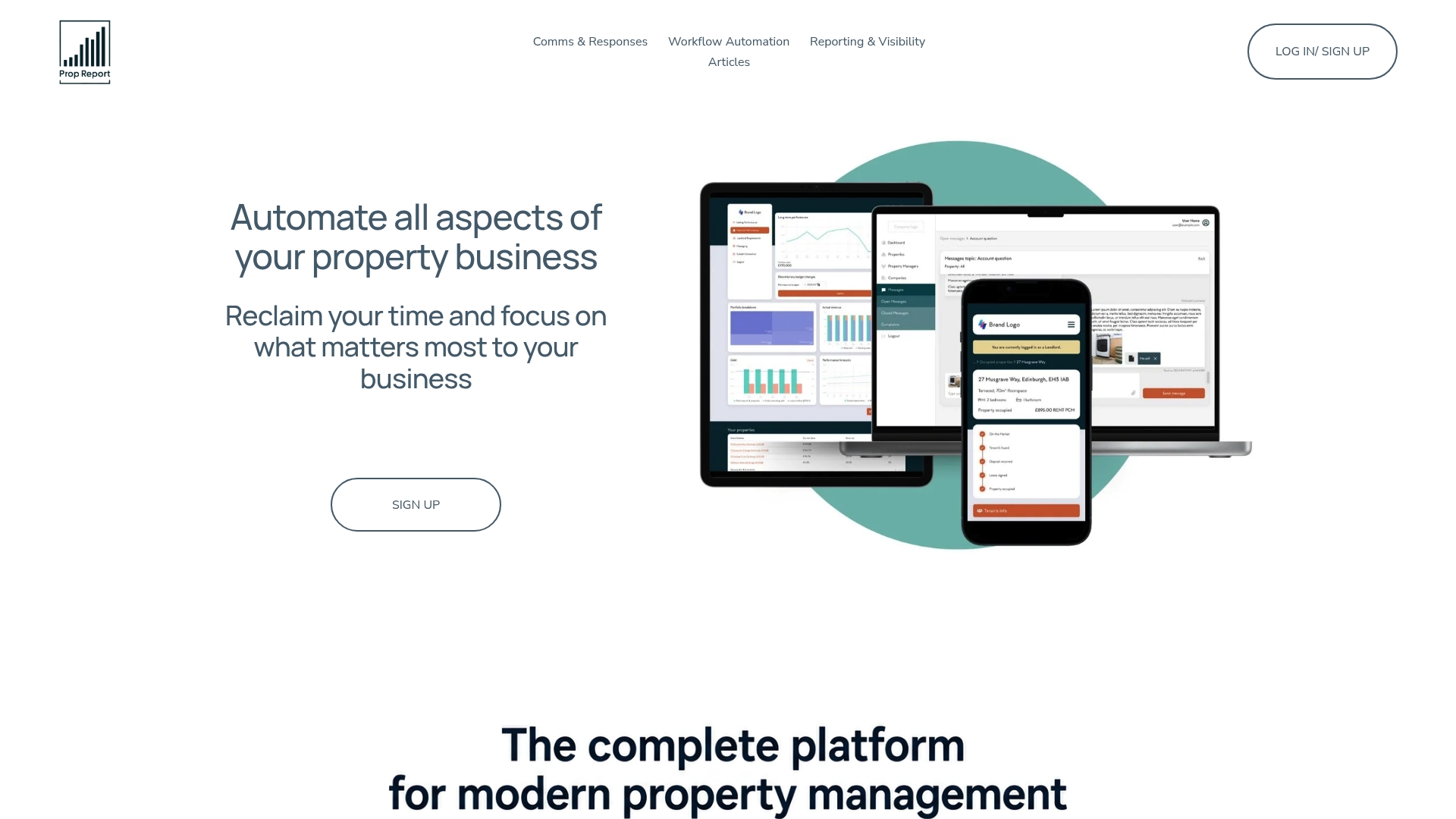
Three quick use cases show the value in practice: automated reminders before your CP12 or EICR lapses, tracked PRS Database entries that update the moment a new certificate is uploaded, and a single tenant communication log that gives you the "served to tenant" evidence a tribunal or council actually asks for. Because the platform holds ISO 27001 certification, that evidence sits in a system built to a recognised information security standard, not a folder anyone could quietly edit.
If you're managing more than a handful of properties and feel the compliance load creeping past what a spreadsheet can handle, see how Propreport's property management platform handles the reminders, document storage, and tenant records covered in this checklist, and book a demo to see your own portfolio mapped against it.
Sources
This article is general information, not a substitute for advice from a qualified lawyer. Consult a qualified legal professional about your own circumstances before acting on anything here.
Recommended
- Call Model 4 - Landlord property rentals | Streamline Landlord Marketing
- Call Model 2 - Tenant not maintenance or applications | Enhance Tenant Communication Today
- Call Model 3 - Tenant Maintenance | Enhance Tenant Support - Get Started Today
- Coco Property Call Model 4 | Streamline Repairs Now — Enhance Tenant Communication