

Yes, lease renewal should be automated. Start outreach 90 to 120 days before expiry and run structured 90/60/30 follow-ups across email, SMS and phone. Done properly, this protects rental income, lifts renewal rates, and takes the process off the desk of staff who currently chase it manually with spreadsheets and sticky notes.
TL;DR:
- Lease renewal automation should start 90 to 120 days before expiry to maximize renewal rates and reduce vacancy costs.
- The system must handle expiry alerts, personalized outreach, negotiation limits, document signing, and maintain a full audit trail for effectiveness.
- It requires integration with property management platforms, e-signature tools, market data feeds, and owner reporting dashboards for reliable operation.
- Initial pilots should involve 20 to 50 tenants, with success metrics focused on renewal rate improvements and process efficiency.
- Accurate, up-to-date tenancy data is essential, as automation cannot compensate for poor data governance or incorrect records.
Table of Contents
- What does lease renewal automation actually do?
- When should you start the renewal cadence?
- How does the workflow handle acceptance and decline?
- What systems does automation need to integrate with?
- How do you measure ROI from renewal automation?
- How do you pilot lease renewal automation?
- How does Prop Report handle lease renewal automation?
- Why data governance matters more than the automation itself
- Get started with Prop Report
- Sources
What does lease renewal automation actually do?
Automated lease management replaces manual tracking with a system that watches every tenancy in the portfolio and acts before a human would even notice the deadline approaching. Property Tree's documentation shows how these systems send notifications to owners and tenants automatically and generate renewal task lists without a manager touching a spreadsheet.
A properly configured platform typically handles:
- Portfolio-wide expiry alerts, so no lease slips through unnoticed across dozens or hundreds of units.
- Personalised outreach sequences across email, SMS and phone that adjust tone and timing based on tenant response.
- Negotiation guardrails, where the system proposes terms within preset limits and escalates anything unusual to a manager.
- Document generation and e-signature flow, turning an accepted offer into a signed lease without manual paperwork.
- A full audit trail, giving owners a clear record of every touchpoint for reporting.
That combination is what separates real lease renewal software from a glorified reminder app.
When should you start the renewal cadence?
The 90 to 120 day window gives enough runway for market research, tenant negotiation and paperwork without leaving anyone rushed. Vendor case studies consistently point to this window as the standard for structured renewal programmes, and platforms like Frontdesk build their outreach sequences around it. Here's how the milestones typically break down:
- 120 days out: pull market-rate data and confirm the renewal terms you're prepared to offer.
- 90 days out: send the first personalised outreach, usually by email with a follow-up SMS.
- 75 days out: escalate to a phone call if there's been no response.
- 60 days out: send a second offer with any negotiated terms, flagging non-responders for manager review.
- 30 days out: confirm the tenant's decision and trigger document generation or vacancy workflow.
- 15 days out: final chase for signatures, or the last window to secure a replacement tenant.
Each step carries its own channel and escalation rule, so nothing depends on someone remembering to check a calendar.
How does the workflow handle acceptance and decline?
Once a tenant accepts, the system should move straight into document generation, sending the lease for e-signature and chasing it automatically until it's signed. That chase is often the weakest link in manual processes. Automation removes the guesswork by nudging on a schedule rather than waiting for someone to notice a lease is still unsigned.
Decline is where automation earns its keep. A well-built workflow triggers:
- Automated move-out instructions sent to the tenant with dates and expectations.
- Inspection scheduling, booked without a manager needing to coordinate diaries.
- Vendor notifications for cleaning, repairs or maintenance ahead of the next tenancy.
- Vacancy marketing, activated the moment the decline is logged, not days later.
Exceptions still need a human. Anything outside the negotiation guardrails, or a tenant who goes silent, should route to a manager queue rather than sit unresolved.
Pro Tip: Set a firm non-response threshold, such as ten days with no reply, so the system escalates automatically instead of quietly waiting for someone to check.
What systems does automation need to integrate with?
Lease renewal automation is only as good as the data feeding it. Property management knowledge bases and vendor product pages consistently list the same core connections as non-negotiable:
- PMS or CRM integration, pulling tenancy records and payment history so outreach reflects real account status.
- E-signature and document storage, keeping a complete audit trail for compliance and owner reporting.
- Market-rate benchmarking feeds, so renewal offers reflect current local pricing rather than guesswork.
- Reporting dashboards and owner portals, giving landlords visibility without needing to ask a manager for an update.
Specialist lease administration tools reinforce this point. Occupier's platform centralises lease data specifically to cut down on the manual deadline misses that plague larger portfolios. If a renewal tool can't sync cleanly with your existing PMS, the rest of its feature list barely matters.
How do you measure ROI from renewal automation?
Track five numbers: renewal rate, time-to-offer, offer conversion rate, concession spend and days vacant. These tell you whether the automation is actually converting tenancies rather than just sending more messages.
Vendor-reported cases suggest structured renewal programmes with market-rate analysis and outreach starting at 90 to 120 days can push renewal rates into the 70%+ range, compared with low-50s averages for spreadsheet-managed portfolios.
The maths behind this is straightforward. Every missed renewal typically costs several thousand in turnover expenses, covering marketing, vacancy days, cleaning and re-letting fees, according to industry estimates on renewal automation. Compare that figure against the incremental rent you'd gain from a modest increase, and the breakeven point usually favours renewal over turnover, often by a wide margin. Review these KPIs monthly through a dashboard rather than waiting for a quarterly report to surface a problem that's already cost you tenants.
How do you pilot lease renewal automation?
Don't roll automation out across an entire portfolio on day one. A small pilot reveals configuration problems before they scale into bigger ones.
- Audit your data: confirm expiry dates, tenant contact details and payment history are accurate before automating anything.
- Choose a pilot cohort: pick 20 to 50 tenancies and define success metrics upfront.
- Configure cadence and templates: set your 90/60/30 sequence, message tone and manager escalation thresholds.
- Run it for one to two cycles, then review the KPIs and scale based on what actually worked.
Reporting from real-world deployments backs this staged approach: a pilot of this size run across two renewal cycles is usually enough to surface the settings worth adjusting, from timing to tone to when a human needs to step in.
Pro Tip: Treat the pilot's escalation threshold as a live experiment, not a fixed setting. Tighten or loosen it after the first cycle based on how many tenancies actually needed manager intervention.
How does Prop Report handle lease renewal automation?
Prop Report was built around the exact problem this article describes: inefficiencies in manual property management that can cost a manager over £45,000 a year once you add up missed renewals, duplicated admin and slow reporting. The platform automates data reporting and integrates directly with existing CRM systems, so renewal tracking sits alongside the records you already use rather than in a separate tool nobody checks.
What that looks like in practice:
- Real-time insights that flag upcoming renewals before they become urgent.
- Simplified communication between landlords and property managers, cutting the back-and-forth that slows decisions.
- ISO 27001 certification, a formal standard for information security management that most renewal tools don't hold.
- A single consolidated platform instead of separate tools for alerts, documents and reporting.
That consolidation is what typically determines whether automation sticks or gets quietly abandoned after a few months.
Why data governance matters more than the automation itself
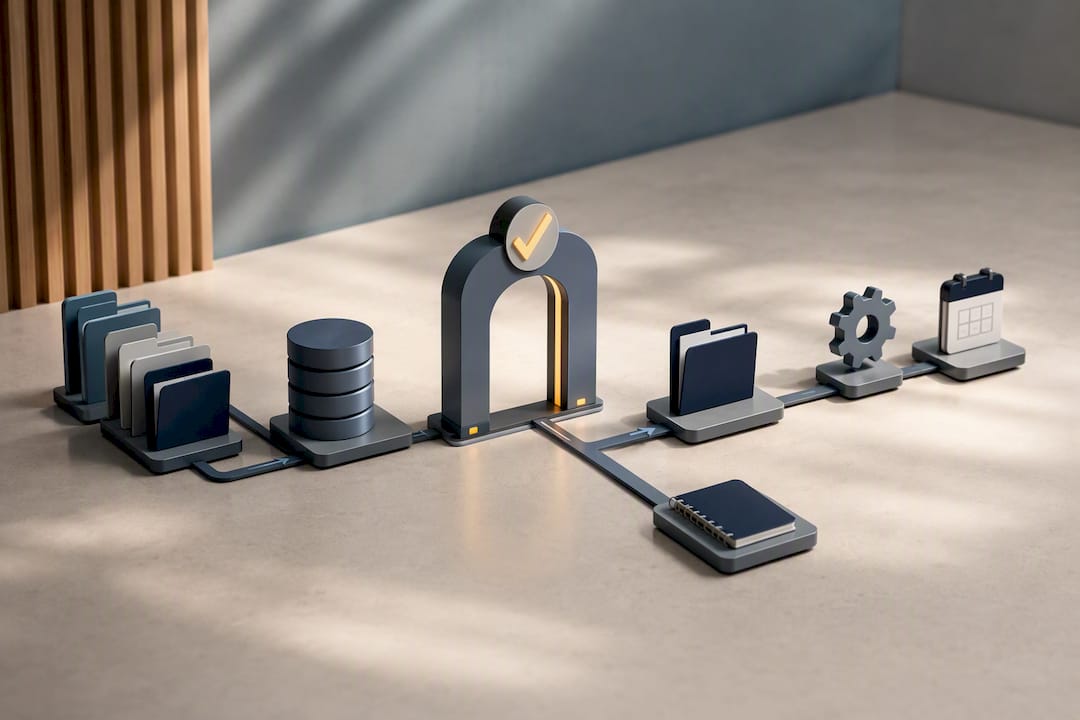
Automation only works if the data behind it is trustworthy. That's the part most property managers underestimate. A polished renewal sequence sending personalised messages on a perfect 90/60/30 schedule is worthless if the tenancy records feeding it are three months out of date.
Run pilots before scaling, and be honest with owners about what automation will and won't fix. It won't repair bad data, and it won't replace a manager's judgment on the exceptions that inevitably slip outside the guardrails. What it does is free up the hours currently spent chasing dates in a spreadsheet, and hand security and audit responsibility to a system actually built for it rather than an inbox full of reminders. Treat your renewal pipeline with the same discipline you'd apply to a sales pipeline: scored, tracked and reviewed, not left to memory.
— James
Get started with Prop Report
Prop Report gives you the centralised alerts, workflow automation, and e-signature support this article has walked through, backed by ISO 27001 certified data security and direct CRM integration rather than a bolt-on tool that duplicates your existing records.
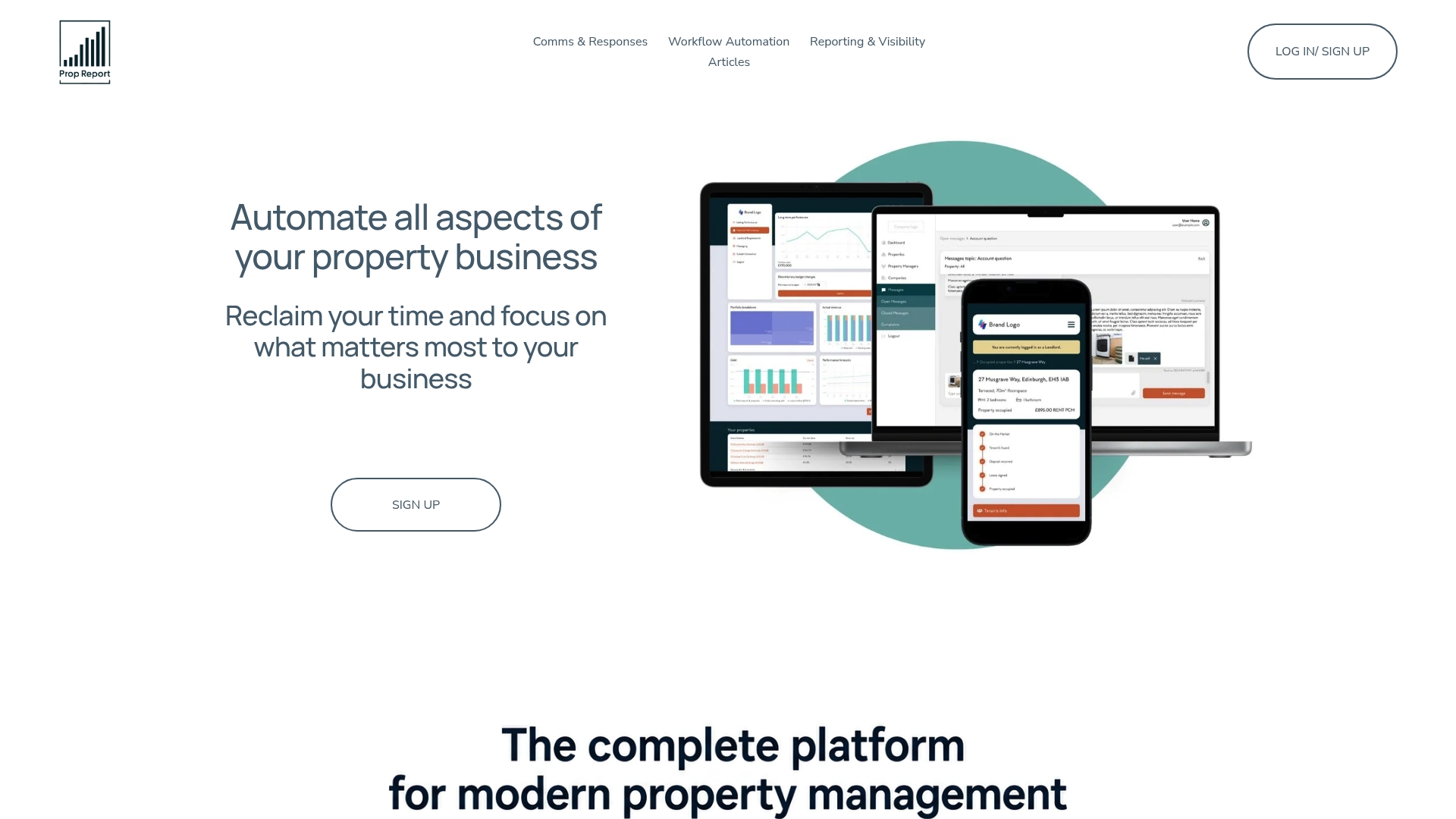
If you're currently managing renewals through spreadsheets and calendar reminders, the shift to an automated 90/60/30 cadence is usually the single biggest efficiency gain available to a property management team. Prop Report's AI-driven property management platform handles the outreach, negotiation guardrails and document flow described above, while giving landlords a live view of renewal activity through the owner-facing portal. Book a demo to see how it maps onto your existing systems, or request a pilot checklist to test it against a small cohort before rolling it out portfolio-wide.
Sources
- Manage lease renewal | Knowledge Base Home
- Lease renewal automation for property management | Neudash
- Lease renewal automation use case | Mixbit